
Join 20p Roulette Online, whereby small stakes combine with serious winning potential. We think you should not need a huge bankroll to enjoy a genuine casino experience, and the 20p minimum on selected roulette and slot titles is intended to prove it. Our goal is to support you transform modest bets into meaningful results by blending smart game selection, disciplined money management, and realistic bonus use. In this guide, we walk through the mechanics, strategies, payment expectations, security checks, and mobile play options that are relevant to UK players. Start with a clear plan, and every 20p stake will work harder for you.
Grasping the 20p Roulette Online Format and Why Stake Size Matters
A 20p minimum modifies the mathematics of your gaming session without changing the house edge. On qualifying low-stakes roulette tables, a 20p chip enables you can bet on several parts of the layout or put multiple straight-up bets without wiping out your funds in minutes. For online slots, a 20p spin often activates all paylines while keeping cost per round low. This is significant because staying power is key to winning big: the more rounds you can play within your bankroll, the more likely you are to trigger a bonus feature, a hot streak, or a positive run of outside bets.
Low stakes do not necessarily reduce risk. A 20p straight-up bet on European roulette still offers 35 to 1, meaning a successful single-number wager gives £7.20 inclusive of your original stake. On a slot, a 20p spin can trigger a bonus round that delivers hundreds of times your stake. Align stake size to volatility: a high-volatility slot may bring long dry spells before big wins, while a low-volatility game awards smaller amounts more often. Check the game information screen for minimum and maximum limits before you start.
Deposits, Withdrawing and Payout Timing
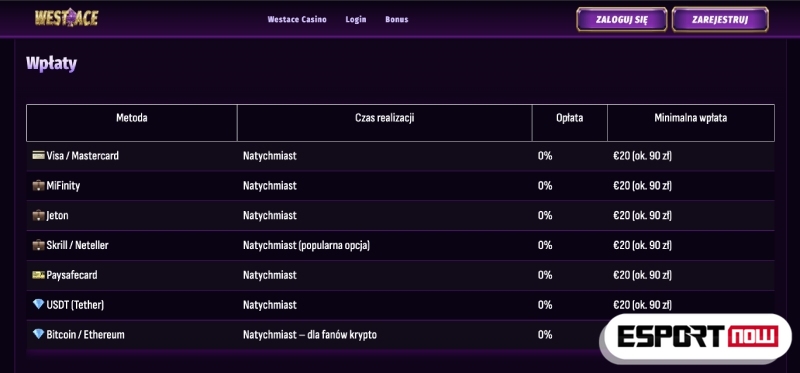
Quick, consistent payments hold the focus on play, not administration. UK players can commonly top up their profiles using debit cards, PayPal, Skrill, Neteller, Trustly, and bank transfer. Funding are usually instant, and lowest deposit figures often stand at £5 to £10. Some ways to pay may not count toward welcome bonuses, so check the promotion terms before selecting a payment option. We suggest utilizing a payment method you already use, because withdrawal requests usually need to be returned to the same option where possible. This is a typical anti-fraud measure.
Withdrawal times differ by method. E-wallets are commonly the speediest once the account has been verified, at times handled within 24 hours. Card thescore.com withdrawals can require one to five working days, and bank transfers may require two to five working days. Before a first withdrawal, plan to undergo identity verification by sending photo ID, proof of address, and proof of payment method. This is a standard licensing requirement in the UK. Some sites also apply pending periods before approval, so leave a little extra time for your first cashout. Authenticate your account early and check the cashier page for current processing times and any fees.
Bankroll Management: The Real Foundation of Scoring Big Wins
We treat bankroll management as the most overlooked winning strategy in low-stakes play. Before you open a game, decide how much money you can afford to lose in that session and convert it into 20p units. If your session budget is £30, you have 150 units, giving you room to try a strategy without panic. Set a stop-loss, such as ending the session after losing 50 units, and a win target, such as ending after gaining 60 units. These numbers seem small, but structured exits preserve your ability to gamble another day.
Isolate your casino bankroll from daily money. Utilize a separate payment method or e-wallet balance for deposits, and never follow a losing session by depositing more than planned. If you are using a bonus, note that wagering requirements extend the number of rounds you need to play, so your real cost per round can rise even if the stake stays at 20p. A simple rule we stick to is to cut the stake or leave the table when a session ceases to be enjoyable. Winning big is simpler when you are still thinking rationally.
Regulation, Integrity and Protection
Safety is not a minor issue; it is what enables you to view a 20p bet as meaningful. A UK-facing casino should be regulated and overseen by the UK Gambling Commission, which enforces strict rules on player funds, fair games, and responsible gambling. You should check the footer of the official page for operator licence details and terms. Independent testing of random number generators is another reassuring sign. In practice, this means roulette outcomes and slot spins are not manipulated, and return-to-player figures are validated.
Security encryption is just as important. Check for SSL technology on every page, which secures your payment details and account data. The operator should also make available responsible gambling tools such as deposit limits, loss limits, reality checks, time-outs, and self-exclusion. Employ these tools beforehand: set a weekly deposit cap before your first session and enable a reality check so you receive reminders about play time. A platform that takes these controls with importance gives you assurance to focus on your game without fretting about funds or personal information.
Intelligent Roulette Betting Strategies for Small-Stakes Play
Intelligent roulette play begins with selecting the right wheel. European roulette has a house edge of 2.70%, while American roulette adds a double zero and pushes the edge to 5.26%. If you see a French table with La Partage, even-money bets may pay better because half the stake is returned on certain losing zero outcomes. At 20p Roulette Online, check the game rules to confirm which wheel type you are playing. Over hundreds of spins, that difference directly affects how long your bankroll survives and how often you can take a profit.
For betting patterns, we favor a mix of outside bets and selected inside coverage rather than aggressive progressions. Place 20p on red or black for a near 50% chance, then add a 20p corner bet to create a bigger payout opportunity. Progressions such as the Martingale can be exciting, but they demand very large bets after several losses, defeating the purpose of a 20p minimum. Instead, set a fixed number of betting units per spin and accept that no system overcomes the house edge. Your edge comes from limits, game selection, and knowing when to withdraw a win.
Play on Mobile and Compatibility with Devices
We assume casino play to function wherever we are, and mobile compatibility is key to the 20p experience. Most modern casino sites employ responsive HTML5 technology, so games adjust to your screen size without a large download. You can typically open the site in a mobile browser on iOS or Android, log in with the same account, and start playing for 20p per spin or betting round. Some operators also feature a dedicated app, but a well-built mobile website can be just as fast and is updated without needing an install.
On a phone, touch controls should make placing chips on a roulette layout simple, and slot games should turn or scale cleanly. Stable internet is crucial for live dealer games, where a dropped connection can disrupt a round. For casual low-stakes play, mobile is perfect because you can set a short session, receive a reality check, and lock in a win before returning to your day. A smooth mobile session is often enough to make the difference between frustration and finding your rhythm. Test a few games on your device before depositing to make sure the interface feels comfortable.
Maximizing Headline Welcome Bonuses and Promotions
Offers can increase a 20p bankroll considerably, but only if you read the terms https://20p-roulette.com/. A standard welcome offer for UK casino brands might feature a deposit match, such as a 100% match up to a set amount, plus a set of free spins on selected slots. Some promotions may bar roulette from wagering or count it at a lower percentage, so a bonus that looks attractive may be easier to fulfill on slots than on table games. Before accepting, check the wagering requirement, game contribution, and time limit in the promotional terms.
Consider a bonus as a chance to prolong play rather than a assured profit. If a £20 deposit receives a £20 bonus with a 30x wagering requirement, you must to wager £600 before withdrawing bonus-related winnings. That is feasible with low stakes, but work out how many 20p rounds it equates to and whether you can satisfy it within the offer window. Also seek cashback, reload offers, and prize draws alongside the welcome package. The official page lists current promotions, and the terms will tell you exactly how each one works.
Exploring the Key Game Categories Outside the Wheel
While roulette is the main attraction, the platform’s primary game categories matter because they affect how you can win. We split the library into roulette variants, online slots, live casino, card and table games, and instant win titles. Roulette variants may feature European, French, and live dealer options, but 20p minimums are not always available on every table. Online slots are generally the largest category, extending from classic three-reel games to feature-rich video slots and progressive jackpots. Each category has its own risk profile, so adapt your staking plan as needed.
For slots, two figures count most: return to player and volatility. A game with 96% RTP returns an average of £96 for every £100 wagered over the long run, but that is a statistical average, not a session guarantee. High-volatility slots can suit a 20p spin because downside is capped per round while a bonus feature can generate outsized wins. Low-volatility slots give more frequent but smaller payouts. In the live casino, low-stakes tables may not always start at 20p, so check table limits. Sort games by provider, feature, or stake to find your style.
What exactly Genuinely Makes 20p Roulette Online Apart
The most evident differentiator is the mix of a 20p starting point and a full casino experience. Many operators provide low stakes or many games, but fewer make low minimums feasible across roulette, slots, and promotions at the same time. That matters because you can test a new roulette strategy, transition to a slot bonus feature, and check live tables without hopping between accounts or payment methods. The outcome is a lower-pressure environment where decisions are driven by play style rather than fear of losing large sums in a single betting round.
Beyond low minimums, reddit.com we seek smooth banking, responsive support, and licensing clarity. A platform that presents bonus terms in plain English and processes withdrawals without unnecessary friction establishes trust. The real edge of 20p Roulette Online is that it treats small-stakes players as serious customers. That does not mean every session will win, but it does signify you can aim for a big result with far less financial stress. Review the official page for current game availability and promotions, then establish personal limits before you play.
Winning big on 20p Roulette Online Slot ultimately hinges on execution, not miracles. Leverage the 20p stake as a tool to remain in the game long enough for a bonus feature, a positive roulette run, or a well-timed withdrawal. Opt for European wheels over American ones, review every promotion term, validate your account early, and approach each session as entertainment with a budget. The most successful low-stakes players are not those who stake the most; they are those who plan the most. Kick off with a modest deposit, sample the games you enjoy, and walk away when you hit your target.